
ECAH2026 Overview


Join us in London (and online) for ECAH2026!

July 09–13, 2026 | SOAS & University College London, UK & Online

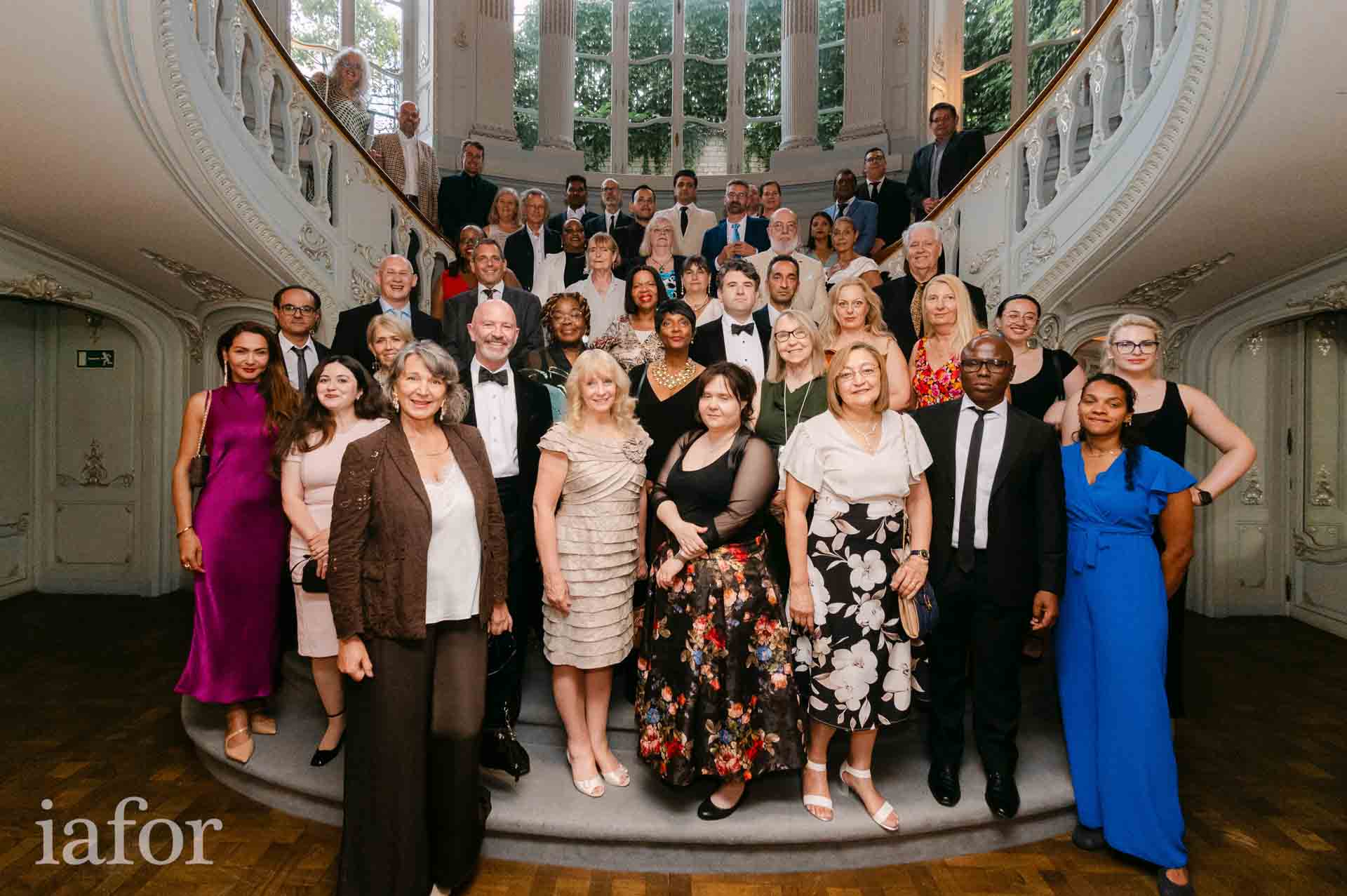
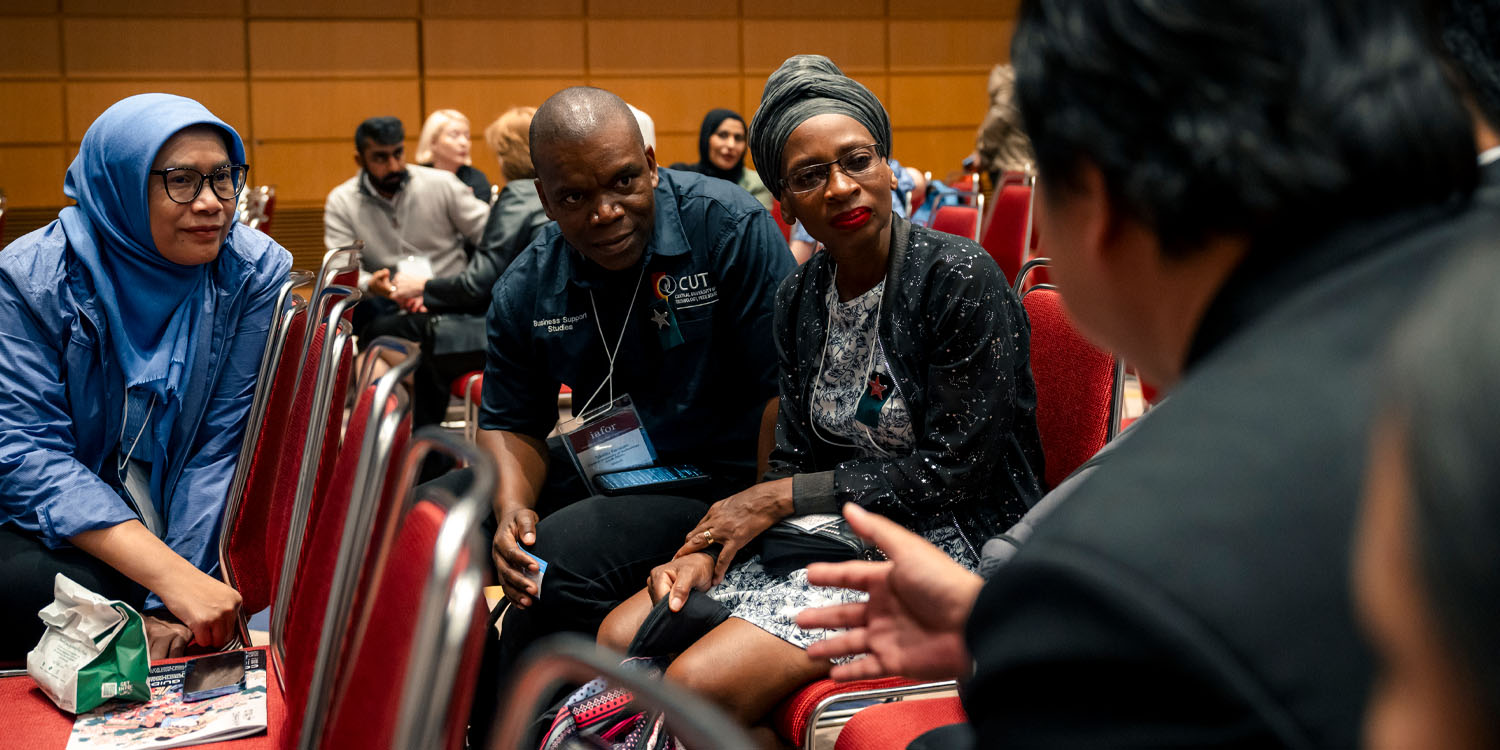
Held in partnership with University College London (UCL), Birkbeck, University of London and the University of Sussex, this international conference encourages academics and scholars to meet and exchange ideas and views in a forum stimulating respectful dialogue, by bringing together university scholars working in the UK, Europe, and beyond to share ideas and research. This event will afford an exceptional opportunity for renewing old acquaintances, making new contacts, networking, and facilitating partnerships across national and disciplinary borders.

Since its founding in 2009, IAFOR has brought people and ideas together in a variety of events and platforms to promote and celebrate interdisciplinary study, and underline its importance. Over the past year we have engaged in many cross-sectoral projects, including those with universities (the University of Barcelona, Hofstra University, UCL, University of Belgrade and Moscow State University), think tanks (the East-West Center), as well as collaborative projects with the United Nations in New York, and the Government of Japan through the Prime Minister’s office, and right here in London with University College London (UCL), Birkbeck, University of London and the University of Sussex, for this conference!

With the IAFOR Research Centre at the Osaka School of International Public Policy (OSIPP) at The University of Osaka, we have engaged in a number of interdisciplinary initiatives we believe will have an important impact on domestic and international public policy conversations. It is through conferences like these that we expand our network and partners, and we have no doubt that ECAH2026 will offer a remarkable opportunity for the sharing of research and best practice, for the meeting of people and ideas. We expect the resultant professional and personal collaborations to endure for many years!

The 14th European Conference on Arts & Humanities (ECAH2026) is an interdisciplinary conference held alongside The 14th European Conference on Education (ECE2026) and The 6th European Conference on Aging & Gerontology (EGen2026). Registration for any of these conferences will allow delegates to attend sessions in the others.

In conjunction with our Global Partners, including University College London (UCL), Birkbeck, University of London and the University of Sussex, we look forward to meeting you in London (and online) for ECAH2026.

– The ECAH2026 Conference Programme Committee

Key Information
  • Venue & Location: University College London (UCL), Institute of Education, United Kingdom & Online
  • Dates: Thursday, July 09, 2026 ​to Monday, July 13, 2026
  • Early Bird Abstract Submission Deadline: February 13, 2026*
  • Final Abstract Submission Deadline: April 17, 2026
  • Registration Deadline for Presenters: May 22, 2026

*Submit early to take advantage of the discounted registration rates. Learn more about our registration options.

Back to Top


Speakers

To be announced

  • Dorina Cadar
    Dorina Cadar
    University of Sussex, United Kingdom
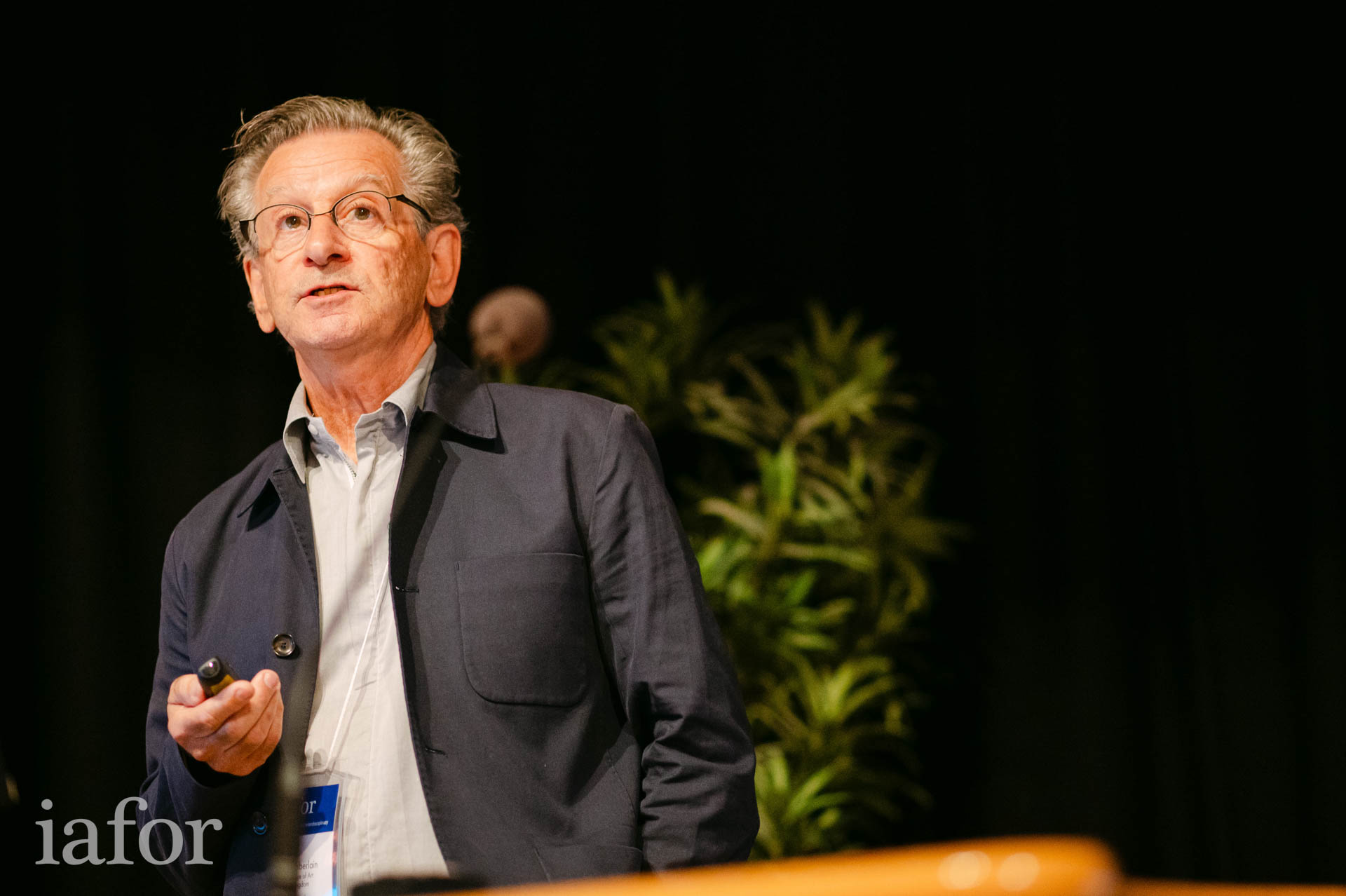
  • Paul Chamberlain
    Paul Chamberlain
    Royal College of Art, United Kingdom
  • Evangelia Chrysikou
    Evangelia Chrysikou
    University College London (UCL), United Kingdom
  • Alfonso J. García-Osuna
    Alfonso J. García-Osuna
    Hofstra University, United States
  • Lee Jerome
    Lee Jerome
    Middlesex University, United Kingdom
  • Allison Littlejohn
    Allison Littlejohn
    University College London (UCL), United Kingdom
  • James W. McNally
    James W. McNally
    University of Michigan & NACDA Program on Aging, United States

Back to Top


Featured Presentations

To be announced

  • Don’t Let AI Change What It Means to Teach
    Don’t Let AI Change What It Means to Teach
    Keynote Presentation: Allison Littlejohn

Back to Top


Conference Committees

The International Academic Board (IAB)

Professor Anne Boddington, IAFOR, Japan (IAB Chair)
Dr Joseph Haldane, IAFOR & The University of Osaka, Japan, & University College London, United Kingdom
Professor Jun Arima, IAFOR & The University of Tokyo, Japan
Professor Virgil Hawkins, IAFOR Research Centre & The University of Osaka, Japan
Mr Lowell Sheppard, IAFOR & Never Too Late Academy, Japan

Professor Umberto Ansaldo, VinUniversity, Vietnam
Dr Susana Barreto, University of Porto, Portugal
Professor Grant Black, Chuo University, Japan
Dr Evangelia Chrysikou, Bartlett School of Sustainable Construction, University College London, United Kingdom
Professor Donald E. Hall, Binghamton University, United States
Professor Brendan Howe, Ewha Womans University, South Korea & The Asian Political and International Studies Association (APISA)
Dr James W. McNally, University of Michigan, United States & NACDA Program on Aging

Back to Top


Conference Programme Committee

Professor Anne Boddington, Executive Vice-President and Provost, IAFOR & Middlesex University, United Kingdom
Dr Evangelia Chrysikou, Bartlett School of Sustainable Construction, University College London, United Kingdom
Dr Mehmet Demir, University of Birmingham, United Kingdom
Professor Jean-Marc Dewaele, Birkbeck, University of London, United Kingdom
Dr Joseph Haldane, IAFOR and The University of Osaka, Japan, & University College London, United Kingdom (Conference Co-chair)
Professor Donald E. Hall, Binghamton University, United States
Dr Jacqueline Lottin, Higher Colleges of Technology, United Arab Emirates
Dr David Mallows, University College London Institute of Education, United Kingdom
Professor Andrea Révész, University College London Institute of Education, United Kingdom
Dr Ian Scott, University College London, United Kingdom
Dr Marcelo Staricoff, University of Sussex, United Kingdom

Back to Top


Conference Review Committee

Professor Selina Gao, Murray State University, United States
Dr Rebecca Lind, University of Illinois at Chicago, United States
Dr Chandna Singh Nirwan, Majan University College, Oman
Dr Rasha Osman Abdel Haliem, The Higher Technological Institute & AMIDEAST, Egypt
Dr Mario Savini, University of Camerino, Italy


IAFOR's peer review process, which involves both reciprocal review and the use of Review Committees, is overseen by the Conference Programme Committee under the guidance of the International Academic Board (IAB). Review Committee members are established academics who hold PhDs or other terminal degrees in their fields and who have previous peer review experience.

If you would like to apply to serve on the ECAH2026 Review Committee, please visit our application page.

Back to Top


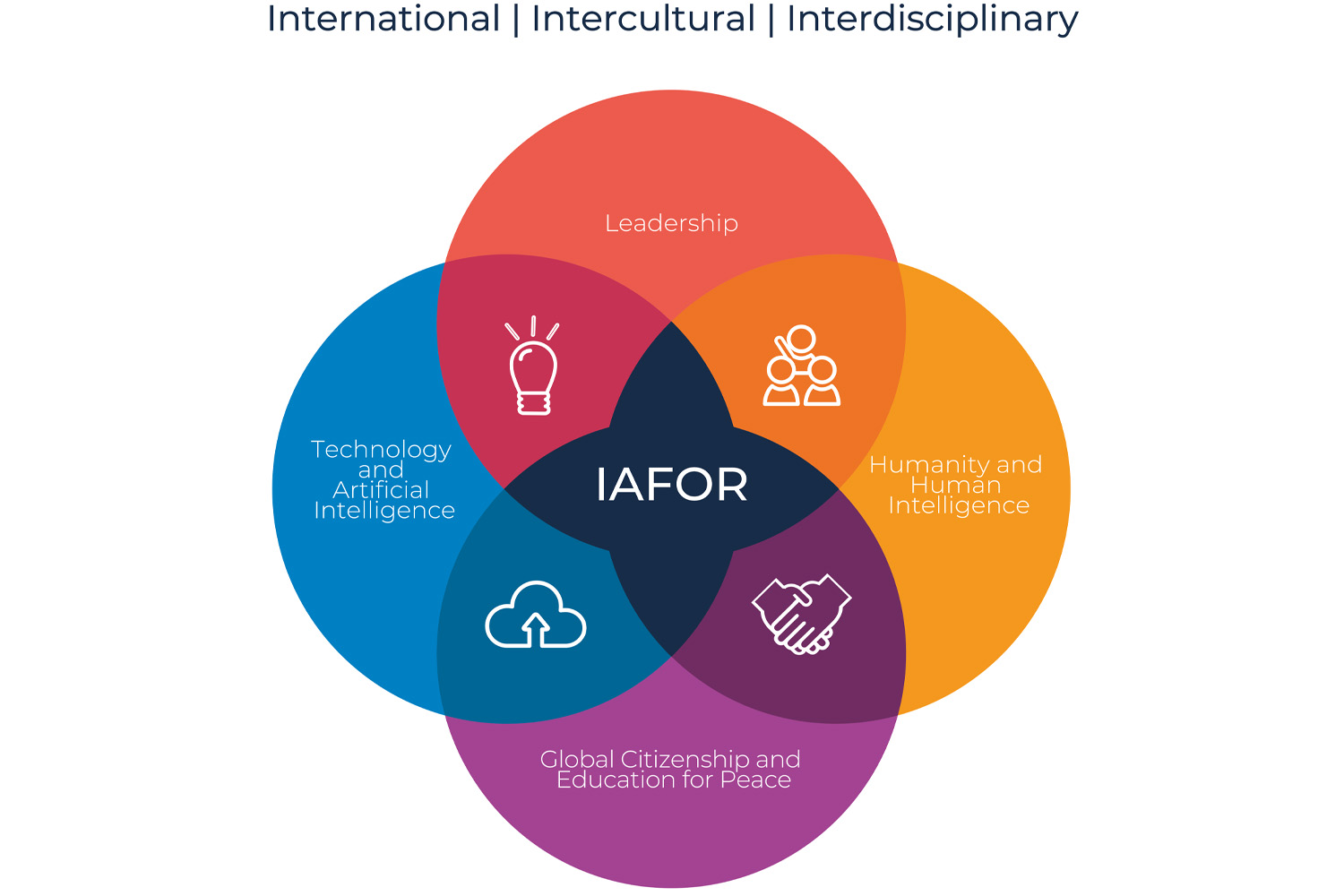
IAFOR's Conference Themes for 2025-2029

IAFOR Themes 2025-2029
Our selected themes for 2025-2029 bring together ideas and encourage research and synergies in the following areas:

  • Technology and Artificial Intelligence
  • Humanity and Human Intelligence
  • Global Citizenship and Education for Peace
  • Leadership
  • Our four themes can be seen as standalone themes, but they are also very much in conversation with each other. Themes may be seen as corollaries, complementary, or in opposition/juxtaposition with each other. The themes can be considered as widely as possible and are designed, in keeping with our mission, to encourage ideas across the disciplines.


    Dorina Cadar
    University of Sussex, United Kingdom

    Biography

    TBA

    Keynote Presentation (2026) | TBA
    Paul Chamberlain
    Royal College of Art, United Kingdom

    Biography

    TBA

    Keynote Presentation (2026) | TBA
    Evangelia Chrysikou
    University College London (UCL), United Kingdom

    Biography

    Dr Evangelia Chrysikou, RIBA is Associate Professor within the Bartlett School of Sustainable Construction at University College London, United Kingdom, and Founder/Programme Director of the university’s MSc Healthcare Facilities. A multi-awarded RIBA architect and healthcare planner, Dr Chrysikou has published widely and won several prestigious grants and fellowships from international organisations, including Horizon 2020, UKRI, Wellcome, British Academy, Royal Society of New Zealand, and the Sasakawa Foundation. Her research interests lie at the spectrum of inclusion in relation to design, spanning across the disciplines of built environment, health, digital technologies and the social sciences. Dr Chrysikou is a member of the National Accessibility Authority, Hellenic Republic by invitation from the Greek Prime Minister, and a member of the Urban Land Institute’s (ULI) Life Sciences and Healthcare Council Leadership Committee. She was the coordinator of the Environment Section of the EIPonAHA, EU, and has worked as a consultant for international government bodies such as the Japanese MOFA, Peru Reconstruction Mechanism, and the British Government for projects related to healthcare planning and architecture. She was elected Vice-President of the Urban Public Health section of EUPHA in 2018.

    Alfonso J. García-Osuna
    Hofstra University, United States

    Biography

    Alfonso J. García-Osuna has taught at Hofstra University and at City University of NY-Kingsborough for over 35 years. He specialises in mediaeval and early modern literature, receiving his PhD (1989) from the Graduate School of the City University of New York. He has completed postdoctoral work at the University of Valladolid, Spain, has published six books, and is a frequent contributor to specialised journals. Additionally, Dr García-Osuna is the editor of the IAFOR Journal of Arts and Humanities.

    Alfonso received primary and secondary education in Las Palmas in the Canary Islands, the place where his family originated and where he grew up. An avid cyclist, he has completed the Road to Santiago, an 867-kilometre route through northern Spain, eight times.

    The Forum (2026) | The Role of the Arts & Humanities in Troubling Times: Part 3

    Previous Presentations

    Keynote Presentation (2024) | Humanities at the Helm: Mobilising Scholars to Confront the Planetary Climate Crisis
    Lee Jerome
    Middlesex University, United Kingdom

    Biography

    Professor Lee Jerome has worked in secondary schools as a history and sociology teacher, in the charity sector running citizenship projects, and in universities teaching on a variety of courses from undergraduate to doctoral programmes. His main interests are linked to citizenship education, children's rights education, and the work of teachers. He is editor of the academic journal Education, Citizenship and Social Justice and his books include England’s Citizenship Education Experiment (2012), Children’s Rights Education in Diverse Schools (2021 with Hugh Starkey), Votes at 16 (2025 with Ben Kisby) and Educating for Citizenship (forthcoming). Professor Jerome’s recent projects include leading a group of student researchers to develop proposals for the national curriculum review in England, a 3-year student survey of citizenship education in secondary schools, and an international project to explore student-led approaches to learning about divisive contemporary issues.

    Keynote Presentation (2026) | TBA
    Allison Littlejohn
    University College London (UCL), United Kingdom

    Biography

    Professor Allison Littlejohn is Pro-Vice Provost for Grand Challenge Data Empowered Societies and Professor of Learning and Technology in the UCL Knowledge Lab at University College London (UCL), United Kingdom. Her research expands our understanding of the socio-technical impacts of digital transformation at work and how it impacts work and learning. Professor Littlejohn was previously Director of the UCL Knowledge Lab, University College London (2020 -2025); Dean (Learning & Teaching) at the University of Glasgow, United Kingdom (2019-20); Academic Director for Digital Innovation at the Open University, United Kingdom (2015-2019); and Professor and Director of the Caledonian Academy at Glasgow Caledonian University, United Kingdom (2006-2015). She holds the Ruth Wong Visiting Professorship at the National Institute of Education, Singapore.

    Keynote Presentation (2026) | Don’t Let AI Change What it Means to Teach
    James W. McNally
    University of Michigan & NACDA Program on Aging, United States

    Biography

    Dr James W. McNally is the Emeritus Research Scientist for the NACDA Program on Aging, located in the Institute for Social Research at the University of Michigan, United States. He was trained initially in forensic anthropology at the University of Maryland and then in formal demography at Georgetown University. As part of this PhD work, Dr McNally was awarded the first minor degree in social gerontology from the Population Studies and Training Center at Brown University, followed by a two-year postdoctoral appointment examining policy applications of health data at Syracuse University’s Center for Policy Research. After teaching at Brown University as an Assistant Research Professor, Dr McNally directed the NACDA Program on Aging from 1998 to 2025, building an internationally recognised collection of seminal studies on the aging lifecourse, health, retirement, and international aspects of ageing. In addition to lifecourse research, he has spent much of his career addressing mechanisms to maintain and strengthen family support networks, focusing on the needs of frail or cognitively impaired elders, presenting on these issues in the United States and internationally. Dr McNally serves on the International Academic Board of IAFOR.

    Special Address (2026) | EGen2026 Special Address

    Previous Presentations

    Special Seminar Session (2024) | An Introduction to the IAFOR Undergraduate Research Symposium (IURS)
    Don’t Let AI Change What It Means to Teach
    Keynote Presentation: Allison Littlejohn

    Artificial Intelligence (AI) is permeating education systems worldwide, reshaping teaching, learning, and assessment. Research shows that most university educators now use AI tools in their practice (Wang et al, 2026). Even those educators who choose not to use AI in their teaching still encounter AI use in their work, because of the large number of students choosing to use AI to carry out coursework (Digital Education Council, 2025). For academics, the use of AI raises fundamental questions about professional identity and power. AI adoption risks transferring pedagogical choices from educators to technologists, shifting teaching practice away from human-centred practice towards the management of data and technology. This presentation examines how educators draw on cognitive, affective, and social practices to support learning. Practices such as real-time sensemaking through student cues, purposive instructional design anticipating misconceptions, and creating emotional scaffolds that enable learning. While AI can assist with some tasks, it cannot replicate the professional judgment needed for effective teaching. Taking a wider perspective, this keynote will explore the effects of AI and data usage on professional agency, highlighting power shifts and vulnerabilities of people in different professions. Ways to navigate these vulnerabilities will also be discussed through forms of professional development that allow the negotiation of future work in ways that ensure AI adoption empowers human workers, rather than the AI being empowered by human work.

    Read presenter's biography